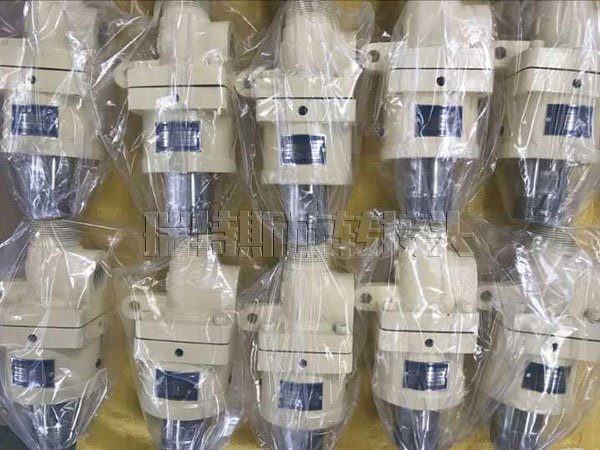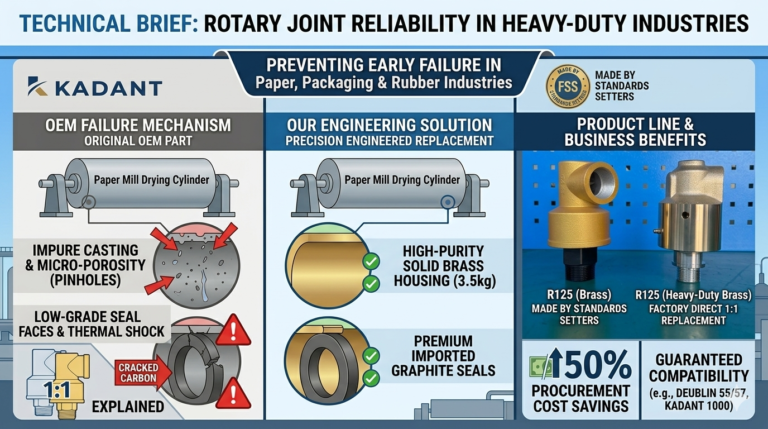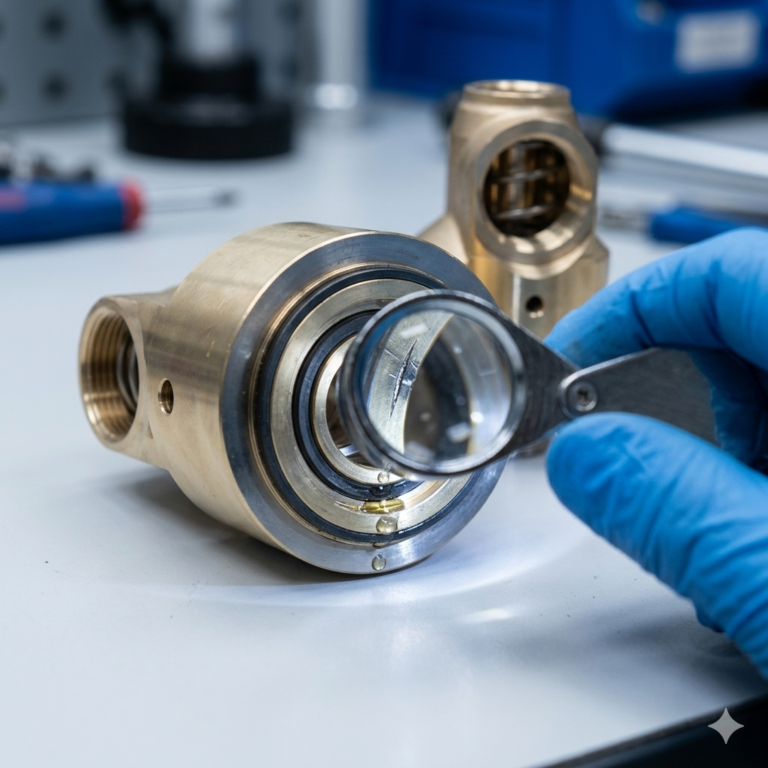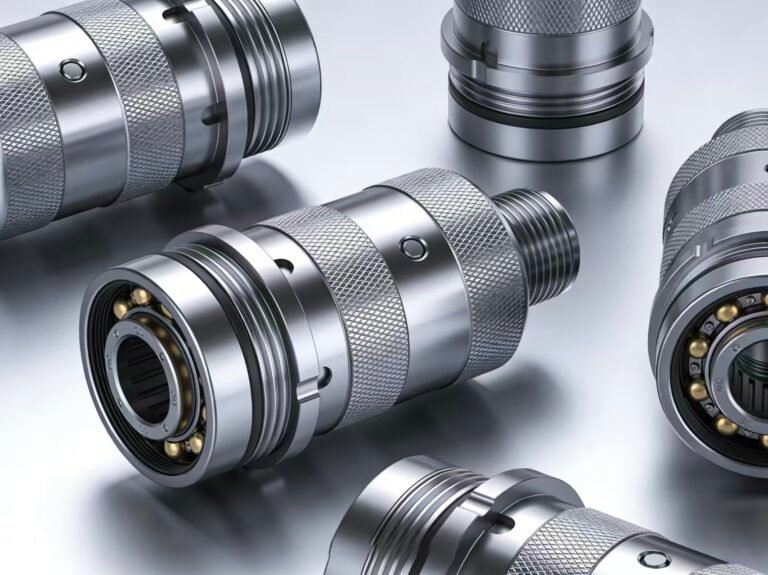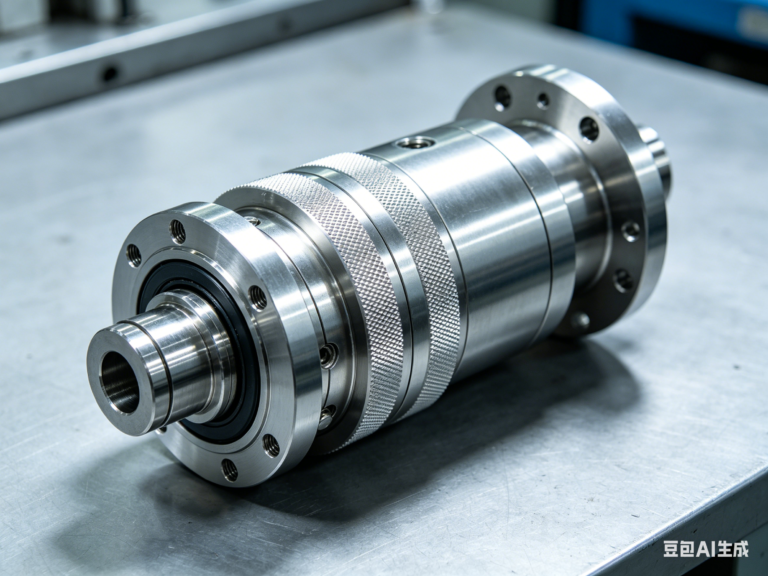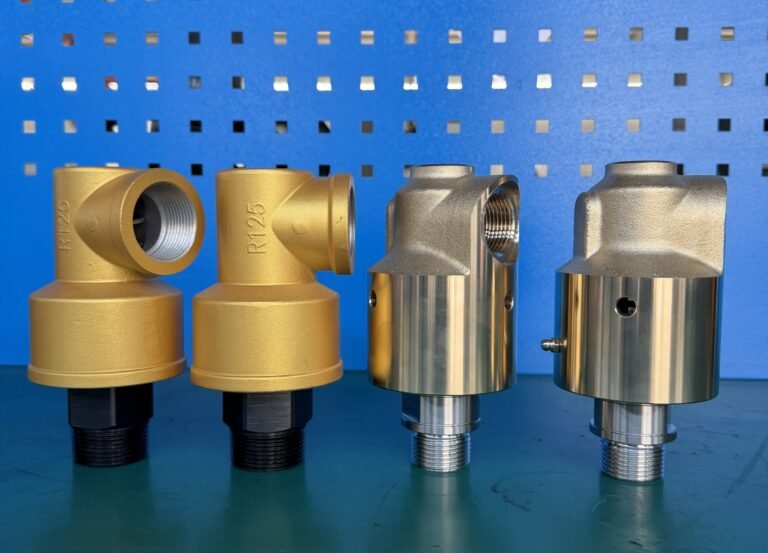
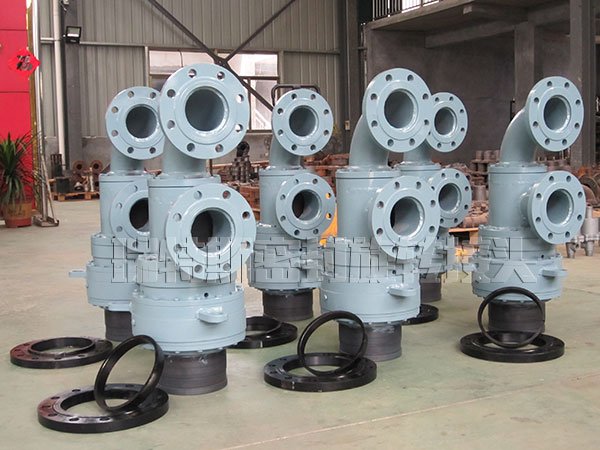
How to store spare rotary joints? The engineer will give you some suggestions.
When purchasing rotary joints, many companies, due to production cycle and transportation time issues, will purchase additional ones as backups to avoid downtime during rotary joint replacements, which could affect production.
How should we store the rotary joints we bought in such large quantities? There are tricks to it.
When storing rotary joints, the following precautions should be taken:
1. During the transportation of rotary joints, it is essential to handle them gently and avoid collisions to prevent damage to the internal components of the rotary joints.
2. When storing, the rotary joints should be placed according to their categories and production dates, distinguishing between left-handed and right-handed ones (with classification and identification based on material quality, shape, usage part, purchase date, etc.).
3. Since most connectors are made of materials such as cast iron, carbon steel, and copper, dust and rust prevention measures should be taken during long-term storage.
4. Storage of metal hoses.
The rotary joint and the equipment are connected using a metal hose, and the storage of the metal hose cannot be overlooked. Before installing the rotary joint, it is essential to maintain cleanliness, especially ensuring that no impurities enter the interior of the pipeline. To clean the metal hose, first use a tool to remove the accumulated dust and debris inside the hose, then wipe it with a damp cloth. After cleaning, place the metal hose in a shady and ventilated area to dry, and strictly avoid exposing it to direct sunlight.
5. The placement should be shielded from light and moisture, away from heat and cold sources, and placed flat to prevent aging. Keep the sealing components in a naturally relaxed state. Most connectors contain rubber sealing components, which can oxidize and age if left unused for extended periods, especially in overheated environments or where they are frequently exposed to sunlight.