Decoding the Core Technology of Rotary Joints: How to Choose the Right “Zero-Leak” Solution for Your Machinery
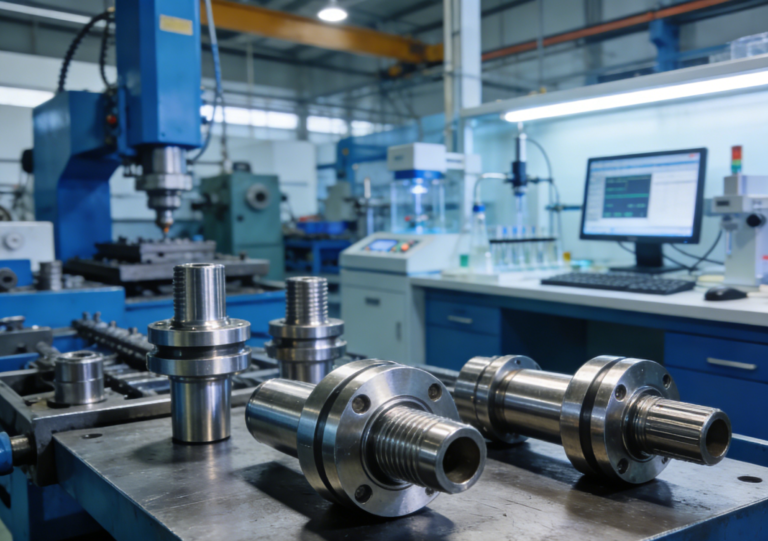
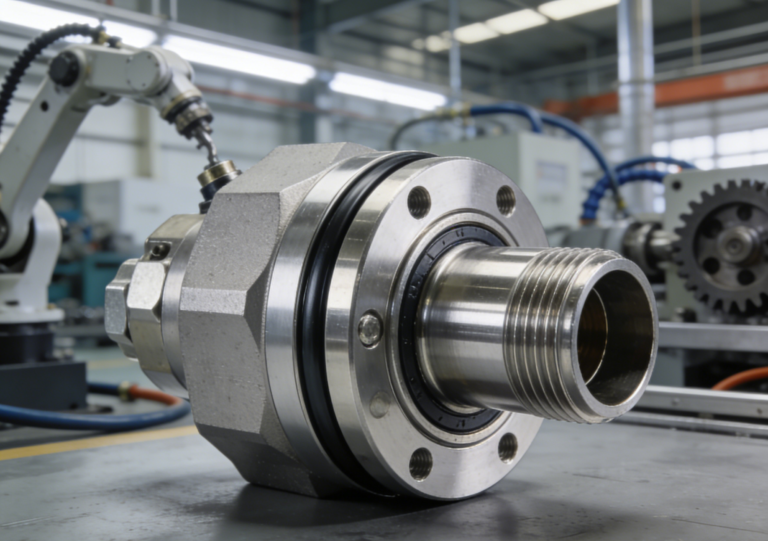
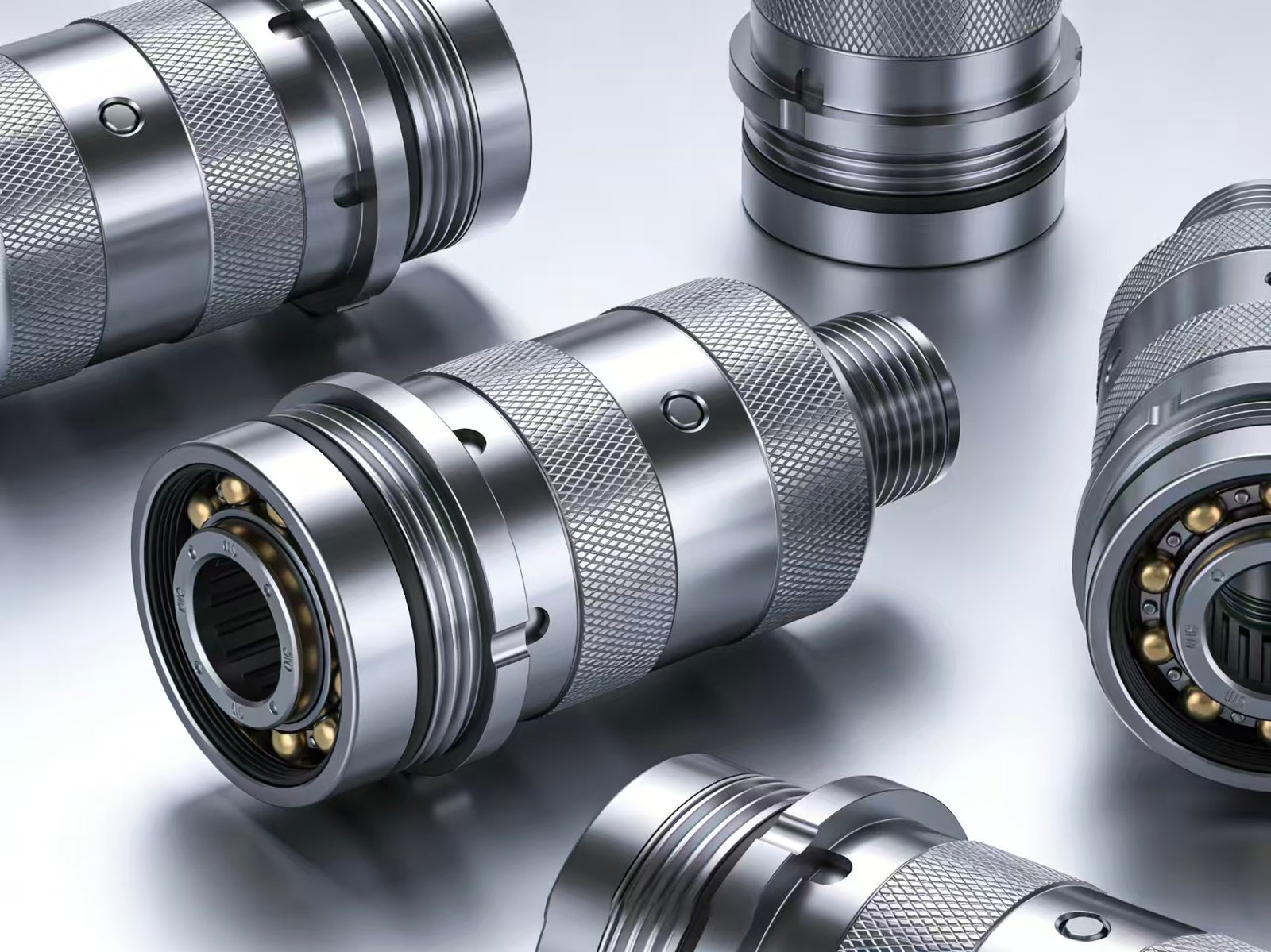
In rotating equipment, the rotary joint undertakes the critical task of transferring media from a stationary pipe to a rotating drum or shaft. While seemingly simple, this process places extremely high demands on sealing technology, material science, and precision machining. Even a minor leak or wear can lead to costly downtime and equipment damage .
Core Challenge: Sealing & Wear
The performance of a rotary joint lies at its heart: the sealing system. Whether for high-temperature thermal oil, high-pressure water, or corrosive chemicals, the choice of sealing elements directly dictates the product’s lifespan and reliability. Studies indicate that shape errors on the rotating shaft (such as roundness errors) can increase leakage by approximately 2.5% to 4.9% . Therefore, we employ high-precision machining equipment and strict quality control systems to ensure that the fit tolerance between the rotor and stator meets industry-leading standards.
Customization: Meeting Diverse Industrial Needs
Different applications have vastly different requirements for rotary joints:
-
Automation & Robotics: Require compact, multi-channel combination joints capable of simultaneously transmitting electricity, air, and liquids, while maintaining low torque during high-frequency reciprocating motion .
-
Semiconductor Manufacturing: Demand extreme cleanliness and particle-free operation, necessitating the use of special stainless steel materials and perfluoroelastomer seals .
-
New Energy (Wind Power): Require extremely long service life and weather resistance to transmit hydraulic oil and brake gases in harsh outdoor environments .
As a professional rotary joint manufacturer, we offer not only standard catalog products but also robust non-standard customization capabilities. Our team of engineers can collaborate with your R&D department to provide comprehensive engineering support—from material selection and port layout to mounting configurations—ensuring “zero-leak” reliable operation for every piece of equipment.